
Sustainable Fashion: The Beauty of Upcycled Handbags
In a world increasingly aware of environmental issues, sustainable fashion has emerged as a beacon of hope. Among the many innovative solutions, upcycled handbags stand out not only for their unique designs but also for their positive impact on the planet. This blog post delves into the beauty of upcycled handbags, exploring their significance, the process of upcycling, and how they contribute to a more sustainable future.
Understanding Upcycling
Upcycling is the process of transforming waste materials or unwanted products into new items of better quality or environmental value. Unlike recycling, which often breaks down materials to create something new, upcycling retains the original form of the materials, giving them a new life and purpose.
The Importance of Upcycling
Reduces Waste: Upcycling helps divert materials from landfills, reducing the overall waste produced.
Conserves Resources: By reusing materials, we save the energy and resources required to produce new items.
Promotes Creativity: Upcycling encourages creativity and innovation, allowing artisans to create unique pieces that tell a story.
The Allure of Upcycled Handbags
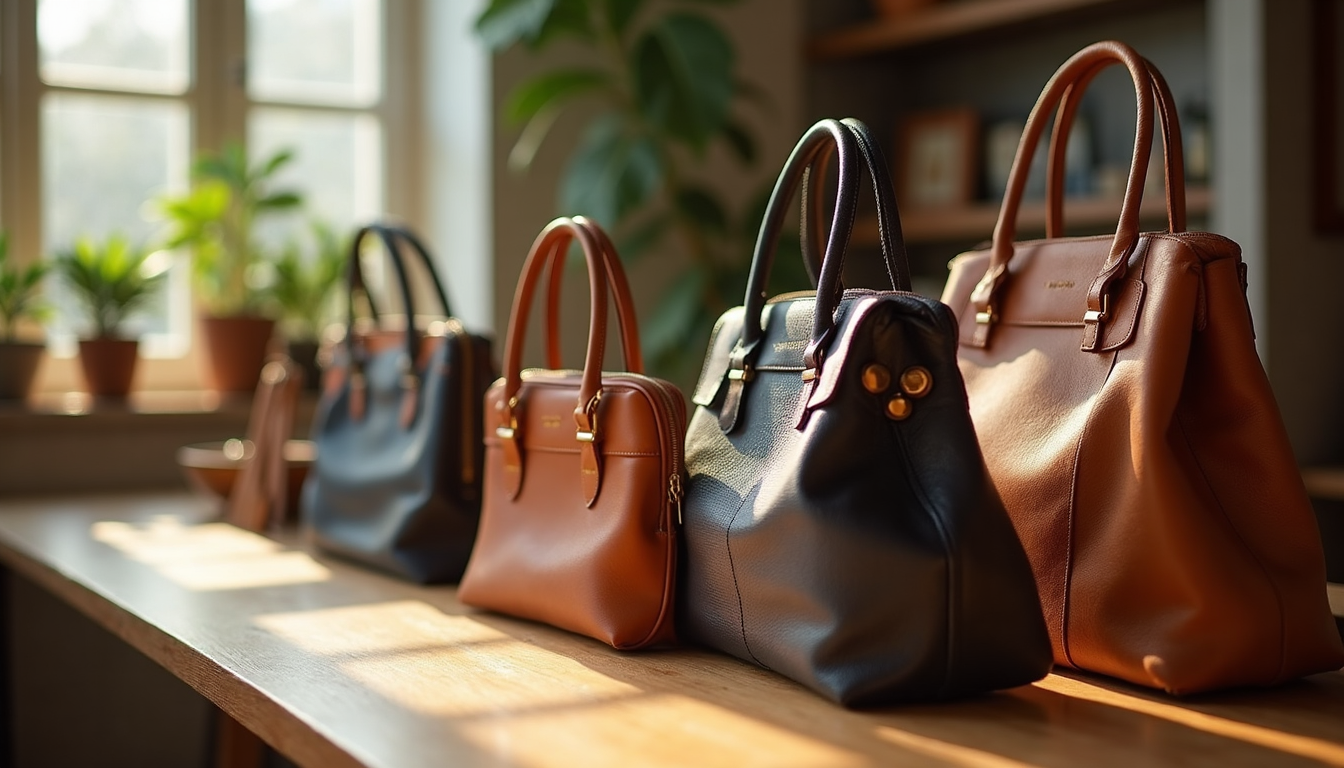
Upcycled handbags are more than just accessories; they are statements of individuality and sustainability. Each bag is a unique creation, often made from discarded materials such as old clothing, fabric scraps, or even plastic bottles. This uniqueness appeals to consumers looking for alternatives to mass-produced fashion.
Unique Designs
One of the most attractive aspects of upcycled handbags is their distinctive designs. No two bags are alike, making them special for the owner. Designers often incorporate various textures, colors, and patterns, resulting in eye-catching pieces that stand out in any wardrobe.
Quality Craftsmanship
Many upcycled handbags are crafted by skilled artisans who take pride in their work. These creators often use traditional techniques, ensuring that each bag is not only beautiful but also durable. This focus on quality means that upcycled handbags can last for years, making them a wise investment.

The Process of Creating Upcycled Handbags
Creating upcycled handbags involves several steps, each contributing to the final product's beauty and sustainability.
Sourcing Materials
The first step in the upcycling process is sourcing materials. Designers often look for discarded items that can be transformed into handbags. Common sources include:
Old clothing
Fabric remnants
Vintage textiles
Unused home décor items
Design and Planning
Once materials are gathered, the designer sketches out ideas and plans the construction of the handbag. This stage is crucial for ensuring that the final product is both functional and aesthetically pleasing.
Construction
The construction phase involves cutting, sewing, and assembling the handbag. Artisans often use techniques that highlight the unique characteristics of the materials, such as patchwork or embroidery. This craftsmanship adds to the bag's charm and individuality.
Finishing Touches
Finally, the handbag is finished with details that enhance its appeal. This may include adding pockets, closures, or decorative elements. The result is a beautiful, one-of-a-kind handbag ready for its new owner.
The Environmental Impact of Upcycled Handbags
The rise of upcycled handbags is not just a trend; it represents a shift towards more sustainable fashion practices. By choosing upcycled products, consumers can make a positive impact on the environment.
Reducing Carbon Footprint
Upcycling significantly reduces the carbon footprint associated with fashion production. Traditional handbag manufacturing involves resource-intensive processes, including raw material extraction, transportation, and production. In contrast, upcycled handbags require less energy and resources, leading to lower emissions.
Supporting Local Artisans
Many upcycled handbags are produced by local artisans and small businesses. By purchasing these products, consumers support local economies and promote fair labor practices. This creates a more equitable fashion industry that values craftsmanship and sustainability.
How to Choose Upcycled Handbags
When shopping for upcycled handbags, consider the following tips to ensure you find the perfect piece:
Look for Quality
Check the craftsmanship of the handbag. Look for sturdy stitching, quality materials, and attention to detail. A well-made upcycled handbag will last longer and provide better value.
Consider Functionality
Think about how you plan to use the handbag. Does it have enough space for your essentials? Are there pockets for organization? Choose a design that fits your lifestyle.
Embrace Unique Styles
Don’t shy away from bold designs and colors. Upcycled handbags often feature unique patterns and textures that can add a fun element to your wardrobe. Embrace the individuality that comes with these one-of-a-kind pieces.
The Future of Upcycled Fashion
As awareness of environmental issues grows, the demand for sustainable fashion, including upcycled handbags, is likely to increase. This shift presents exciting opportunities for designers and consumers alike.
Innovations in Upcycling
The future of upcycled fashion may see even more innovative approaches to design and materials. For example, some designers are experimenting with upcycling plastic waste into fashionable accessories. This not only addresses waste issues but also raises awareness about ocean pollution.
Community Initiatives
Many communities are starting to embrace upcycling through workshops and events. These initiatives encourage people to get involved in sustainable fashion, learn new skills, and create their own upcycled pieces. This grassroots movement fosters a sense of community and shared responsibility for the environment.
Conclusion
Upcycled handbags represent a beautiful intersection of fashion and sustainability. By choosing these unique pieces, consumers not only express their individuality but also contribute to a more sustainable future. As the fashion industry continues to evolve, embracing upcycled products will play a crucial role in reducing waste and promoting ethical practices.
So, the next time you’re in the market for a new handbag, consider opting for an upcycled option. Not only will you own a stunning accessory, but you will also be part of a movement that values creativity, craftsmanship, and environmental responsibility.

Comments