
Sustainable Handbags: The Art of Upcycling Materials
In a world increasingly aware of environmental issues, the fashion industry faces scrutiny for its impact on the planet. One area where positive change is happening is in the realm of handbags. Sustainable handbags, particularly those made through upcycling, are gaining traction among eco-conscious consumers. This blog post explores the art of upcycling materials to create stylish, functional, and environmentally friendly handbags.

Understanding Upcycling
Upcycling is the process of transforming waste materials or unwanted products into new items of better quality or environmental value. Unlike recycling, which breaks down materials to create new products, upcycling retains the original form of the materials while enhancing their value. This creative approach not only reduces waste but also encourages innovation and artistic expression.
The Benefits of Upcycling
Environmental Impact: Upcycling reduces the amount of waste sent to landfills. By repurposing materials, we can significantly decrease our carbon footprint and conserve natural resources.
Unique Designs: Each upcycled handbag is often one-of-a-kind. Designers can create unique pieces that stand out in a sea of mass-produced items, appealing to consumers looking for individuality.
Cost-Effective: Upcycling can be more affordable than traditional manufacturing processes. By using discarded materials, designers can save on production costs, which can be passed on to consumers.
Support for Local Artisans: Many upcycled handbags are crafted by local artisans, supporting small businesses and promoting fair trade practices.
The Process of Upcycling Handbags
Creating upcycled handbags involves several steps, each requiring creativity and skill. Here’s a breakdown of the process:
1. Sourcing Materials
The first step in upcycling is sourcing materials. This can include:
Old clothing
Vintage fabrics
Discarded leather
Canvas bags
Other textile waste
Designers often visit thrift stores, flea markets, or even their own closets to find materials that can be transformed into beautiful handbags.
2. Designing the Handbag
Once materials are gathered, the design process begins. Designers sketch their ideas, considering the functionality and aesthetics of the handbag. They may also take into account the original characteristics of the materials, allowing these features to influence the final design.
3. Crafting the Handbag
The crafting process involves cutting, sewing, and assembling the handbag. This step requires skill and attention to detail, as each piece must be carefully constructed to ensure durability and style. Many artisans use traditional sewing techniques, while others may incorporate modern methods like laser cutting.
4. Finishing Touches
After the handbag is assembled, it’s time for the finishing touches. This can include adding hardware, such as zippers or clasps, and decorative elements like embroidery or patches. These details can elevate the handbag’s design and make it even more unique.
Popular Materials for Upcycled Handbags
Various materials can be used to create stunning upcycled handbags. Here are some popular choices:
Denim
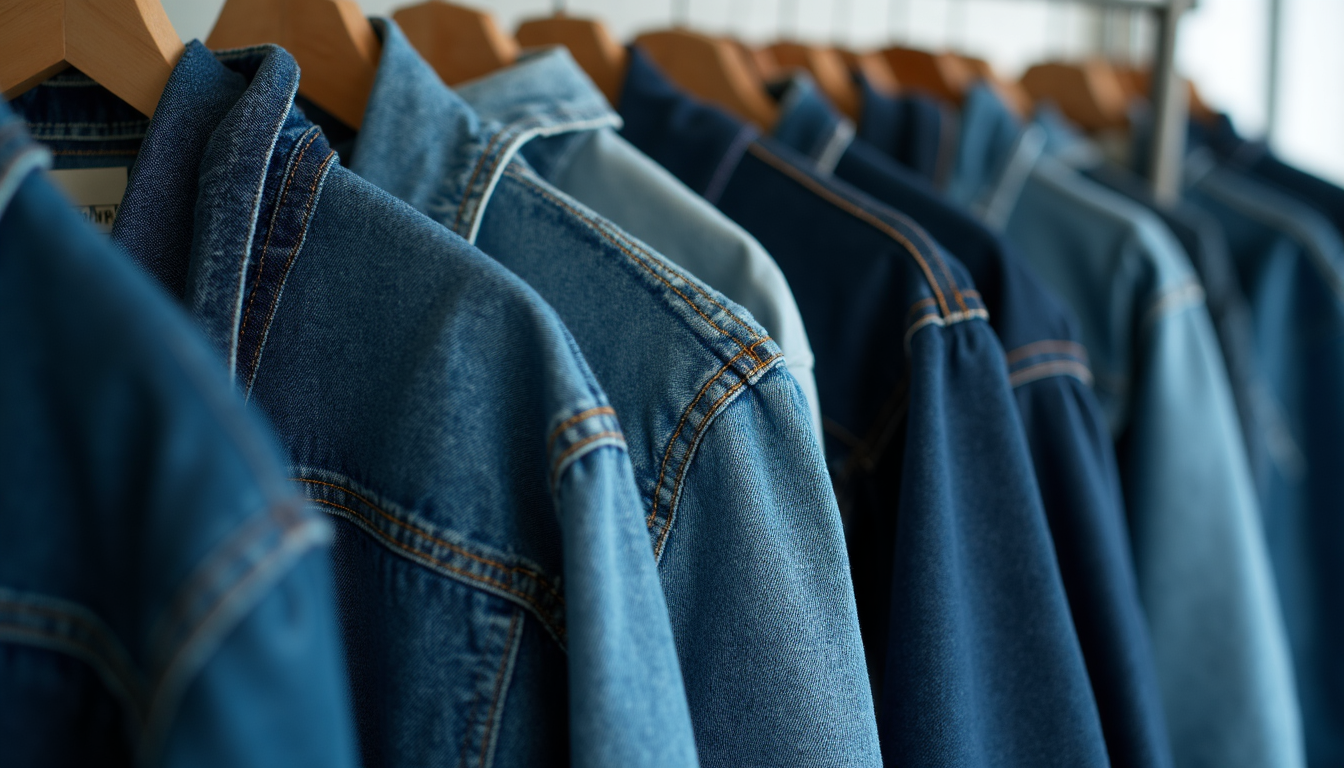
Old jeans are a fantastic source for upcycled handbags. Denim is durable and can be transformed into stylish tote bags, clutches, or backpacks. The unique textures and colors of denim add character to each piece.
Leather
Discarded leather from old jackets or furniture can be repurposed into elegant handbags. Leather upcycling often involves patchwork techniques, creating visually striking designs that showcase the material's natural beauty.
Canvas
Canvas bags, often used for grocery shopping or beach outings, can be upcycled into fashionable handbags. By adding embellishments or combining different colors and patterns, designers can create eye-catching pieces.
Fabric Scraps
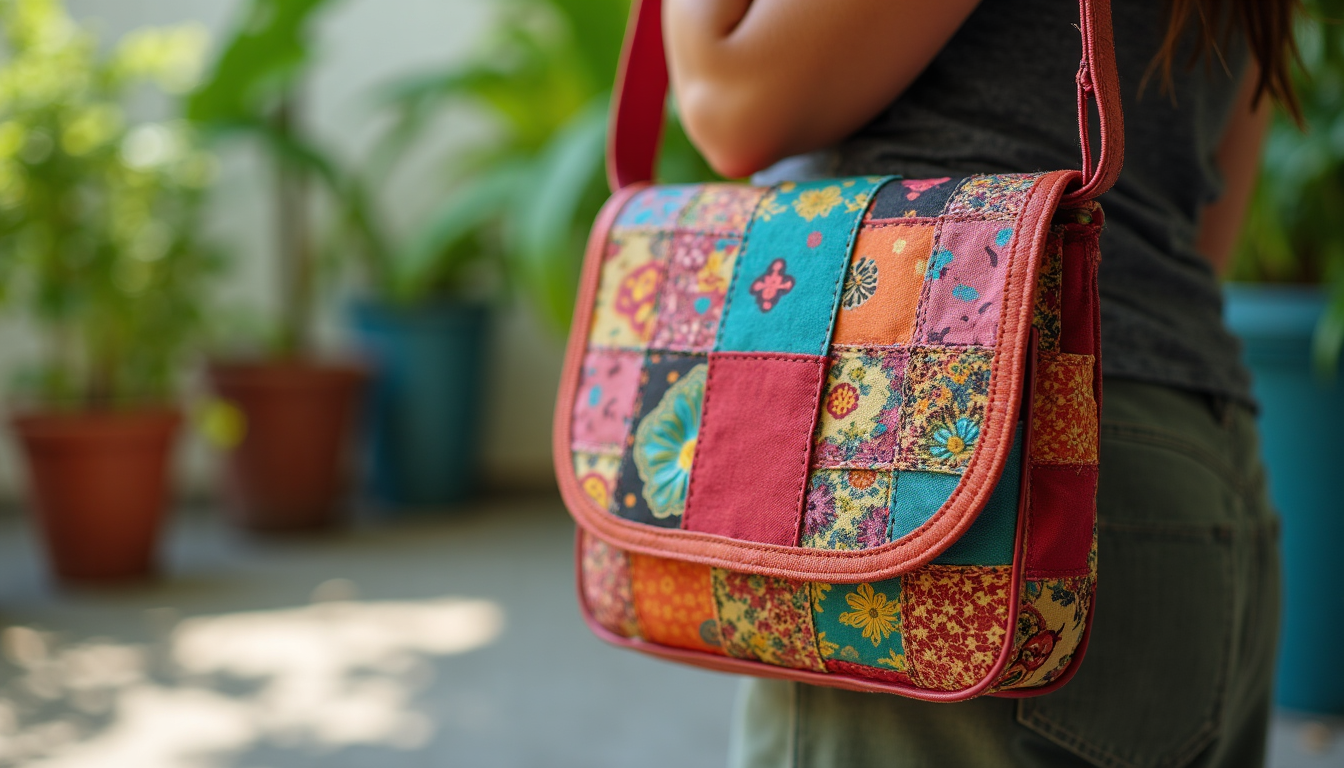
Small fabric scraps from various projects can be sewn together to create patchwork handbags. This method not only reduces waste but also allows for creative expression through color and pattern combinations.
Notable Brands Leading the Way
Several brands are making waves in the sustainable handbag market through their commitment to upcycling. Here are a few noteworthy examples:
1. Rebag
Rebag specializes in luxury handbags, focusing on the resale market. By promoting the idea of buying pre-owned bags, they encourage consumers to consider sustainability without sacrificing style.
2. Freitag
Freitag creates bags from recycled truck tarps, seatbelts, and bicycle inner tubes. Each bag is unique, reflecting the history of the materials used. Their commitment to sustainability has made them a leader in the upcycled fashion movement.
3. ECOALF
ECOALF is dedicated to creating high-quality products from recycled materials. Their handbags are made from plastic bottles, fishing nets, and other waste, proving that sustainability can go hand in hand with style.
4. Patagonia
While primarily known for outdoor gear, Patagonia also offers a line of upcycled bags. Their commitment to environmental responsibility and ethical production practices sets a strong example for the fashion industry.
How to Choose a Sustainable Handbag
When selecting a sustainable handbag, consider the following factors:
1. Material
Look for handbags made from upcycled materials. Check labels for information on sourcing and production practices.
2. Design
Choose a design that fits your personal style and needs. Whether you prefer a tote, crossbody, or clutch, there are plenty of options available.
3. Brand Values
Research the brand’s commitment to sustainability. Look for transparency in their production processes and ethical practices.
4. Durability
Invest in a handbag that is built to last. Upcycled materials can be incredibly durable, but ensure the craftsmanship meets your standards.
Caring for Your Upcycled Handbag
To extend the life of your upcycled handbag, follow these care tips:
Clean Regularly: Use a damp cloth to wipe down the exterior and remove dirt or stains. For fabric bags, check care instructions for washing.
Store Properly: Keep your handbag in a cool, dry place. Avoid exposing it to direct sunlight for extended periods to prevent fading.
Avoid Overloading: Be mindful of how much you put in your handbag. Overloading can strain the seams and hardware, leading to damage.
The Future of Upcycled Handbags
The future of upcycled handbags looks promising as more consumers prioritize sustainability. As awareness grows, so does the demand for eco-friendly products. Designers are likely to continue experimenting with materials and techniques, pushing the boundaries of creativity in the fashion industry.
Trends to Watch
Innovative Materials: Expect to see more brands experimenting with unconventional materials, such as recycled ocean plastics or agricultural waste.
Customization: Personalized upcycled handbags will become increasingly popular, allowing consumers to express their individuality.
Collaborations: Partnerships between designers and environmental organizations may lead to unique collections that raise awareness about sustainability.
Final Thoughts
Sustainable handbags made through upcycling are not just a trend; they represent a shift towards a more responsible fashion industry. By choosing upcycled products, consumers can make a positive impact on the environment while enjoying unique and stylish accessories. As we embrace this art of upcycling, we contribute to a more sustainable future for fashion.
Now is the time to explore the world of upcycled handbags. Whether you’re looking for a new addition to your wardrobe or seeking a thoughtful gift, consider supporting brands that prioritize sustainability. Together, we can make a difference, one handbag at a time.

Comments